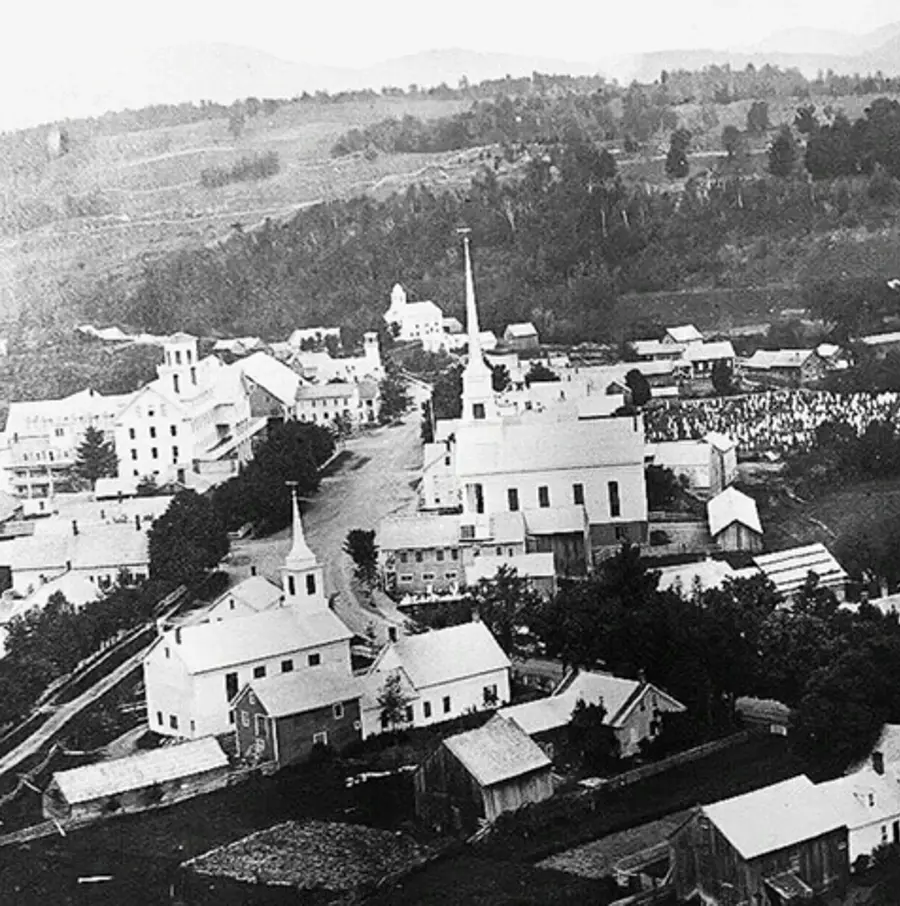
Stowe has evolved over its lifetime in both incremental and monumental ways. From rolling pastures to the slopes of Mount Mansfield, the town we love is a reflection of its layered history. Here, we take broad steps through nearly 250 years of history to look at how our town became the Stowe we know today.
The Original Peoples of Vermont

The Green Mountain land was originally inhabited by the Indigenous Western Abenaki. A nomadic tribe, the Abenaki utilized myriad environments, traveling between various parts of New England and Southeastern Canada. This collective land was referred to as N’dakinna, and included most of present-day Vermont and Stowe. Learn more about the Abaneki Nation.
Settling Stowe Township
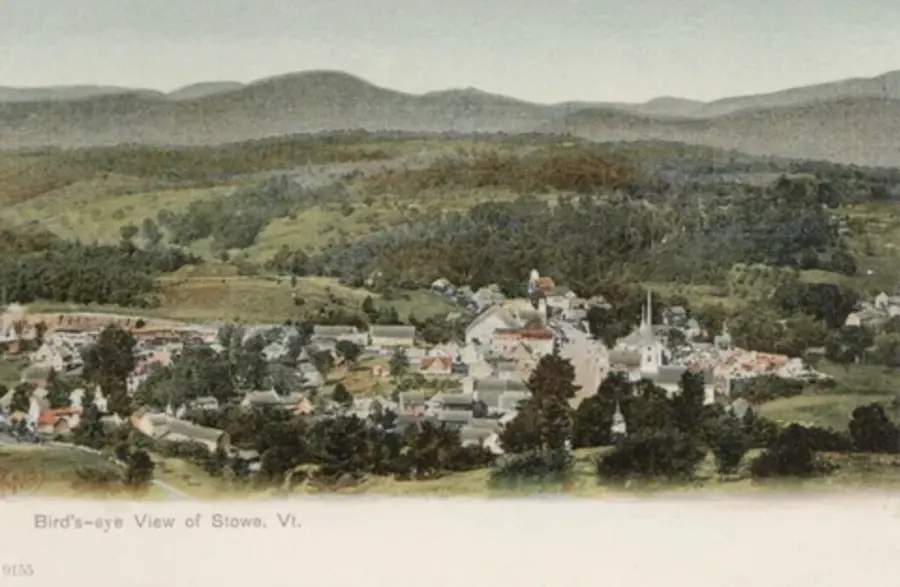
Settlers arrived to Stowe in 1794, 31 years after the land had been chartered as a town. It was named after Lord Stow of Stow, England. Oliver Luce and his family were the first to commit to the “unbroken wilderness” of Stowe, making the first clearing, building the first house, and giving birth to the first baby born in town, their son Harry.
A Community Shaped by the Land
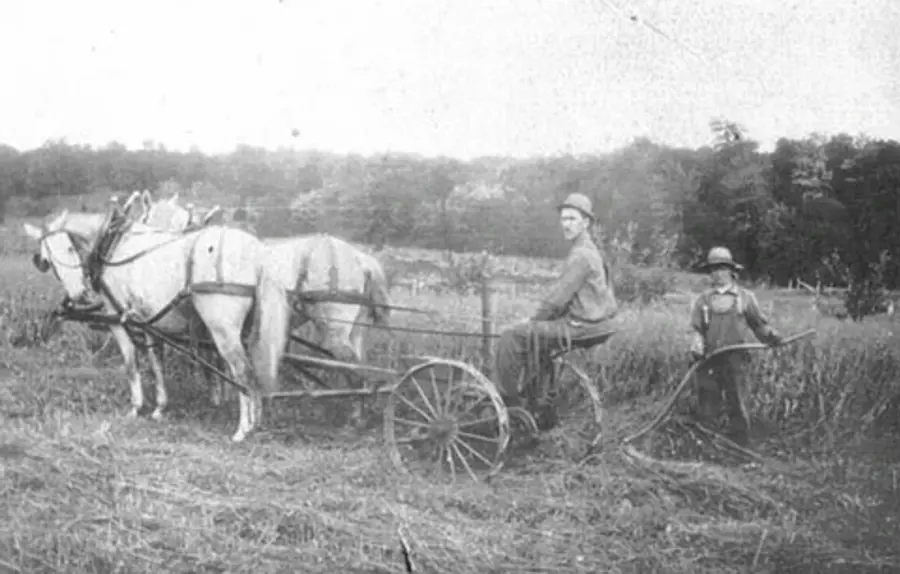
Having set up their new home in a richly wooded area, the early European settlers established a thriving lumber industry in Stowe. The swaths of land that were cleared of trees also opened the door for large scale agriculture. Sheep farming in particular became a booming industry of early Stowe.
Over time the lumber industry dwindled and agricultural production shifted towards dairy and other crops. Thanks to the lush Green Mountains though, the outdoor tourism industry was irrevocably established in Stowe. It was widely regarded as a summer adventure destination as early as the mid-1800s .
A Peculiar Scandinavian Pastime Comes to Town
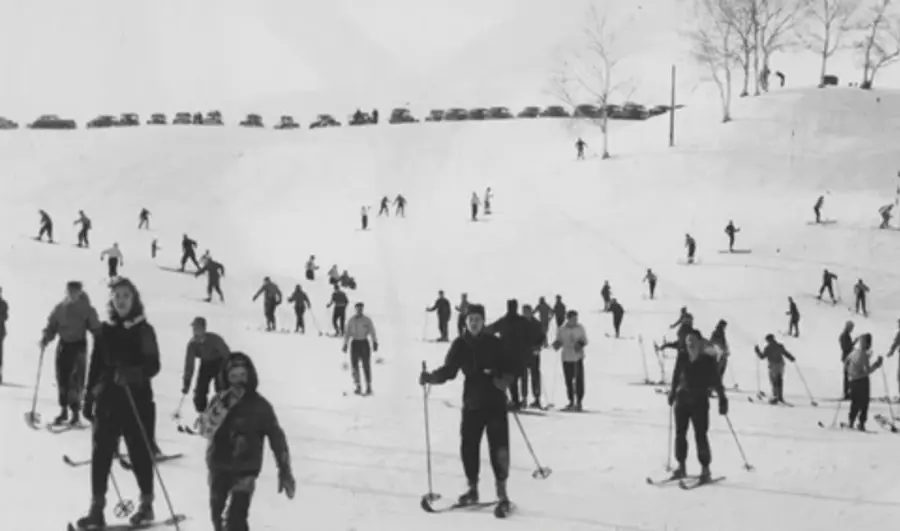
Alpine skiing is synonymous with Stowe, but it was only brought to this part of the world a little over a years ago. Until the early 20th century, winters in Stowe were a time to wait out the weather. Roads became impassable and commerce came to grinding to a halt. That is, until Scandinavian townsfolk introduced the ancient idea of getting around on two slats with upturned ends… Needless to say, it caught on! The snowy landscape of winter became an asset, and the trajectory of Stowe as a winter destination was set.
Sun & Ski in the Timeline of Stowe
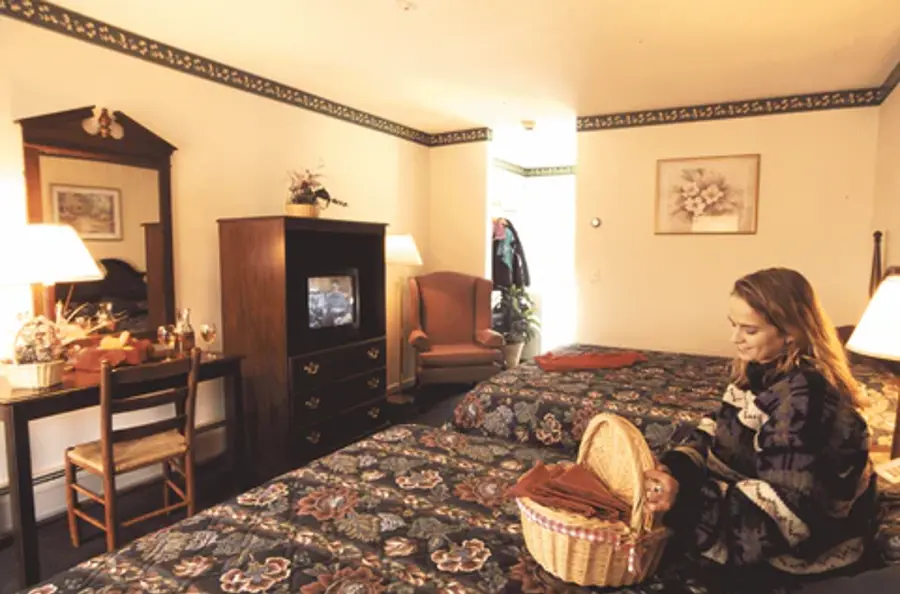
The Sun & Ski Inn and Suites was built between 1971 and 1976, on 8.5 acres bordering the Little River. The west fork runs behind our property, grounding us in the simplicity of nature. From the beginning, we have been committed to fostering a strong relationship with our community, and are proud to be a part of a long hospitality tradition in Stowe. As part of this lineage, it is our mission to facilitate connective human experiences, and allow our guests to experience the beauty of Stowe in all seasons- sun or ski or the in between!
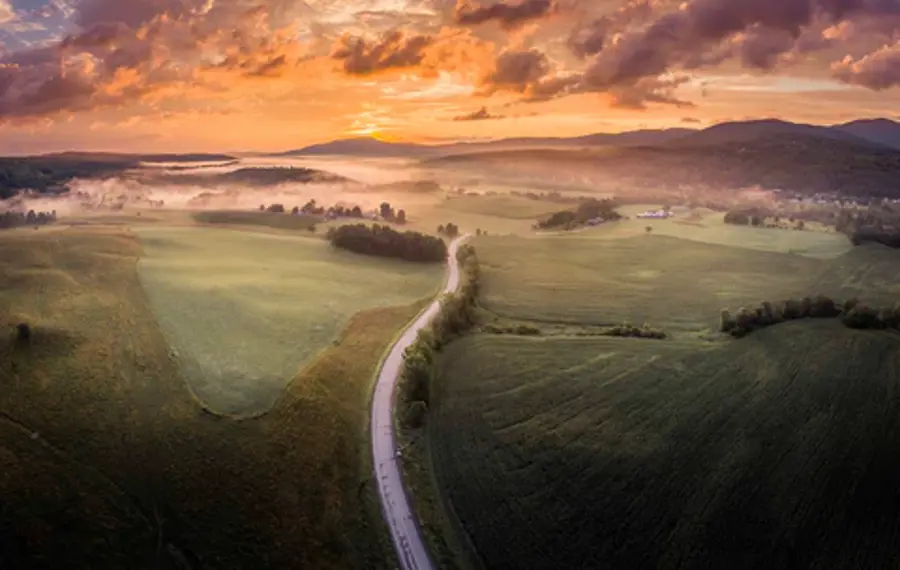
Happy summer ~ Here’s to Stowe’s journey of becoming - a constant natural beauty, stewarded by people that cherish its dynamism, past, present, and future.
~Thank you to the USDA, Abaneki Tribe, Green Mountain Inn, and Stowe Historical Society for their images and historical information~
Written by Lily Orrey